17
2025
-
06
Regional First: Tongji Medical College Affiliated Union Hospital of Huazhong University of Science and Technology Successfully Completes Multiple Hair Transplant Surgeries Using the HAIRO Hair Restoration Surgical Robot!
Recently, Professor Zhenxing Wang's team from the Department of Plastic Surgery at Tongji Medical College, Huazhong University of Science and Technology’s Union Hospital, took the lead in the public healthcare system of Central China by successfully performing multiple hair transplant surgeries using the Pangce Medical HAIRO hair transplantation robot. It is reported that the robotic system extracted between 1,000 and 3,000 hair follicles per procedure. The HAIRO robot demonstrated outstanding performance, seamlessly collaborating with the Union Hospital medical team to carry out the surgeries—and remarkably, the doctors quickly mastered its operation, significantly shortening the learning curve. Based on HAIRO’s impressive clinical outcomes, Professor Wang identified five key advantages. The following content was originally published by the official account of Wuhan Union Hospital, with slight edits for clarity.
Recently, the Department of Plastic Surgery at Union Hospital, Affiliated to Tongji Medical College of Huazhong University of Science and Technology Professor Wang Zhenxing's Team At The public healthcare system in Central China has taken the lead in using the Pangce Medical HAIRO hair transplant robot to successfully complete multiple hair restoration surgeries. It is understood that the surgical follicle extraction typically ranges between 1,000 and 3,000 units. The HAIRO hair transplant robot has demonstrated outstanding performance, seamlessly collaborating with the Peking Union Medical College Hospital medical team to carry out procedures—and has even helped the team quickly master the equipment, significantly shortening the learning curve. Based on HAIRO's impressive clinical results, Professor Wang has identified five key advantages. The following content was officially shared by the Wuhan Peking Union Medical College Hospital account, with minor edits:
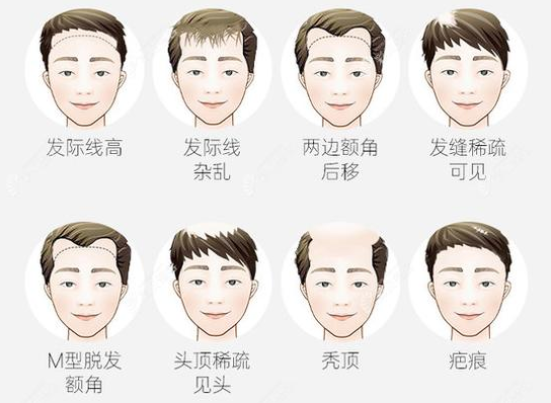
The number of patients experiencing significant hair loss due to androgenetic alopecia, scarring, surgical procedures, and other causes is steadily increasing at a rate of 5–10% annually, emerging as a new critical point in meeting the growing health needs of the population. While FUE (Follicular Unit Extraction) autologous hair transplantation remains the only effective treatment for such cases, its implementation is often limited in public hospitals. This is because the procedure demands lengthy surgery times, substantial workloads, and an exceptionally high level of precision. Completing a single hair transplant session involving more than 3,000 grafts typically requires the skilled collaboration of a medical team consisting of three to four or more physicians, taking anywhere from 7 to 8 hours to finish—thus constraining the widespread adoption of this technique in public healthcare settings.
Recently, Professor Zhenxing Wang's team from the Department of Plastic Surgery at Wuhan Union Hospital, in collaboration with Pangce Medical, has launched China's first clinical study on HAIRO robot-assisted hair transplantation surgery in Central China. By leveraging a China-developed, proprietary algorithm at its core, combined with an intelligent operating system and AI-powered visual recognition technology, the process achieves high efficiency—extracting over 1,000 follicles per hour—while maintaining a follicular transection rate below 10%. Additionally, the 0.8–1.0 mm needle design is specifically tailored to better suit the hair characteristics of Asian individuals, minimizing trauma and enhancing post-procedure recovery outcomes.
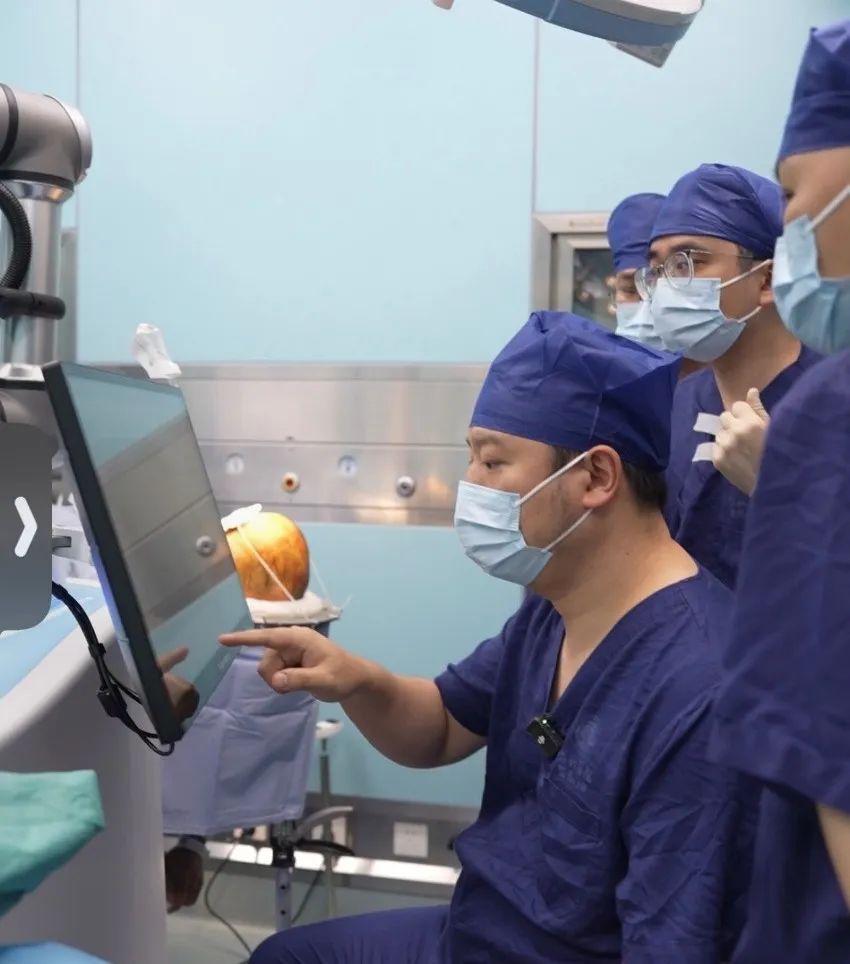
▲ Professor Wang Zhenxing and his team
Compared to traditional manual surgical methods, the advent of robotic hair transplantation represents a significant advancement in hair restoration technology, with implications including:
1) High precision and consistency:
Precise positioning: The robot is equipped with advanced 3D imaging and vision-guided systems (such as high-definition cameras), enabling it to precisely identify and locate the position, angle, and depth of hair follicle units.
Stable operation : The robotic arm operates with remarkable stability, unaffected by human fatigue, hand tremors, or other such factors, ensuring precision and consistency in every step of the procedure—especially during follicular extraction.
Reduce follicle damage: High precision means that when extracting hair follicles, it becomes possible to more accurately avoid surrounding follicles and minimize cutting damage to the follicles themselves, thereby significantly improving follicle survival rates (often higher than those achieved by manual extraction performed by experienced doctors).
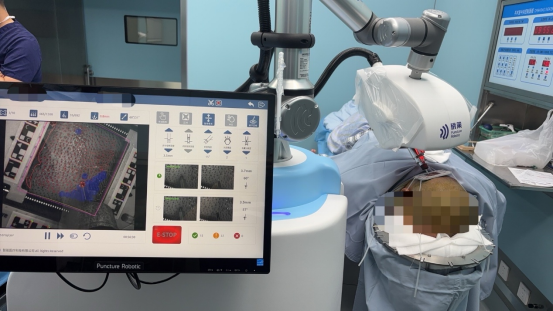
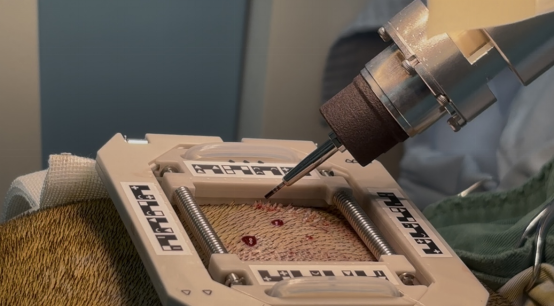
2) Enhance efficiency and surgical speed:
Faster extraction speeds directly reduce overall surgery time, especially for patients requiring large-scale follicular unit transplants—such as those involving 3,000 or more units. This means shorter surgical durations and improved patient comfort.
3) Increase the daily number of surgeries:
For clinics or hospitals, improving efficiency means being able to perform more surgeries within the same amount of time.
4) Reduce doctors' reliance on physical strength and technical skills
In traditional FUE surgery, doctors must maintain intense focus and perform delicate, time-consuming procedures for extended periods, which easily leads to fatigue and can compromise the quality of the later stages of the operation. The robot takes on the most labor-intensive and physically demanding part—follicle extraction—significantly reducing the physical strain on surgeons.
5) Standardized Operations
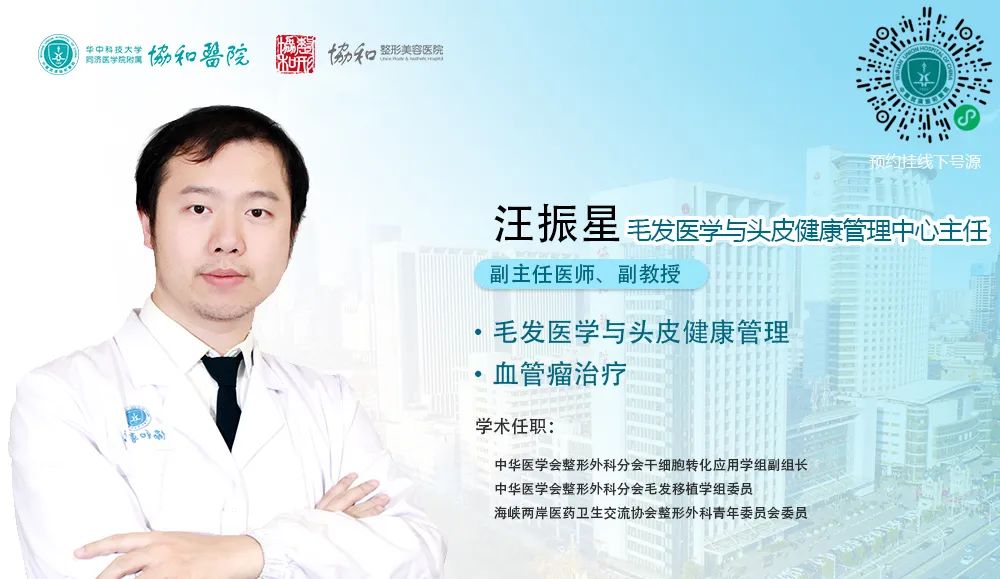
Robot-assisted procedures rely on pre-set programs and algorithms, reducing, to a certain extent, the heavy dependence on an individual surgeon’s personal experience and day-to-day condition. This approach helps make surgical outcomes more predictable and standardized. Nevertheless, the surgeon’s role in planning, supervision, and implantation remains absolutely critical. Since 2020, Professor Zhenxing Wang’s team from the Department of Plastic Surgery at Wuhan Union Hospital has been at the forefront of performing hair transplantation surgeries at Union Hospital. Currently, their annual volume of specialized procedures exceeds 200 cases, covering a range of treatments such as male and female hairline designs, eyebrow transplantation, scar revision with micrografting, and eyelash implantation. Professor Wang also holds several key positions, including Deputy Chairperson of the Youth Committee for Plastic Surgery under the Chinese Medical Association and Secretary of the Hair Transplantation Group.
The launch of the clinical study for China's first domestically developed hair transplantation robot marks Wuhan Union Hospital's Department of Plastic Surgery as a leader and frontrunner in the field of hair restoration.
Expert Introduction