30
2025
-
09
Hair Transplant Case 04 | Hairo Hair Transplant Surgery Robot Accurately Tackles Complex, Hard-to-Extract Hair Follicles, Achieving an Ultra-Low Extraction Loss Rate
The patient presents with M-shaped frontal hair loss, with a five-year history of脱发. Preoperative assessment reveals a slightly firm scalp and fine, soft hair follicles. Testing indicates a relatively high proportion of hairs that are difficult to extract. The diameter of the hair follicles is well-suited for the Pongce Hairo hair transplantation robot’s 0.8mm, proprietary extraction micro-needle system.

Patient Profile
Patient: Mr. Tang | Gender: Male | Age: 37 | Occupation: Sales
Improvement in Position: Forehead Angle | Graft Unit Count: 1600Fu | Follow-up Date: September 2025
Preoperative Background Information
The patient presents with M-shaped frontal hair loss and has a five-year history of hair thinning.
Preoperative assessment: The scalp is relatively firm, with fine and delicate hair follicles. Testing reveals a higher-than-average difficulty level for extraction. The diameter of the hair follicles is well-suited to the 0.8mm self-developed extraction micro-needle used in the Pongce Hairo hair transplantation robotic system.
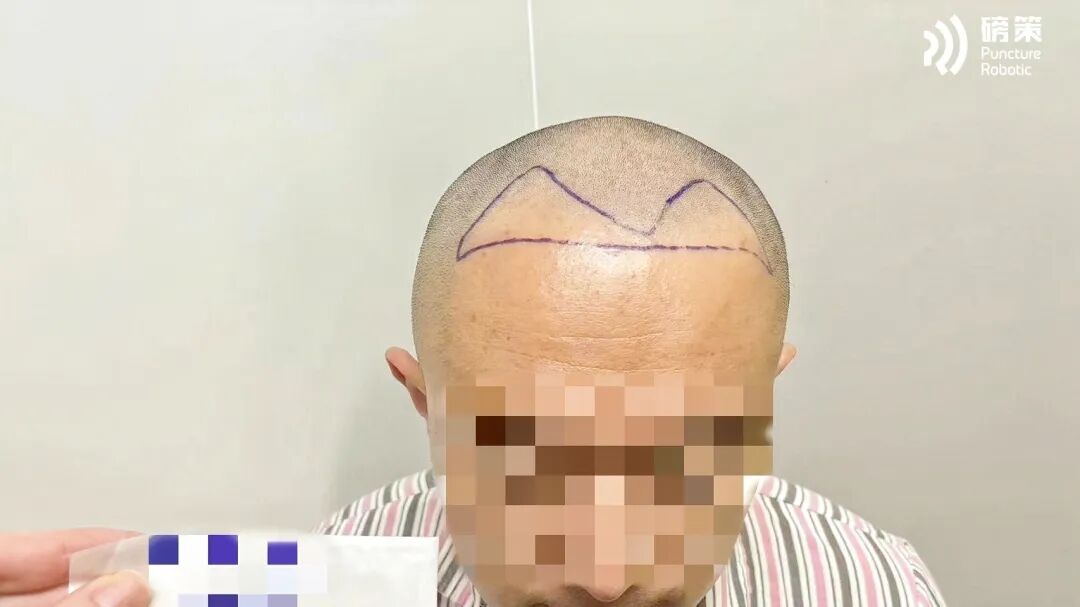
Figure 1 The above image was taken on the day of the patient's hair transplant.
Technology Application Records
Personalized puncture fine-tuning : Given the patient's relatively firm scalp characteristics, Implement a refined puncture parameter control strategy. By manually adjusting the doctor's settings—increasing the puncture needle's rotation speed and prolonging the dwell time after skin penetration—the procedure ensures more precise acquisition of intact hair follicles, while maintaining both safety and effectiveness throughout the process.
Precise Control of Degrees of Freedom for Extraction : When handling fine and delicate follicle extraction, the robotic arm relies on its combined motion capability—6-axis rotation plus 3-axis translation—to flexibly adapt to the subtle structural variations of follicular tissue. Effectively handling complex extraction scenarios , significantly reducing the risk of mechanical damage to fine, weak, and hard-to-remove hair follicles during the extraction process, thereby lowering the follicle loss rate.

Postoperative Recovery Monitoring
Short-term performance: On the second day after surgery, the implant area showed mild swelling. By the seventh day of follow-up, the scab had completely fallen off, and the implant was firmly in place, with no signs of shedding or displacement.
Mid-term performance: Newly grown hair gradually extends to about 0.8cm–1.2cm, aligning with the normal hair growth cycle. Meanwhile, the contours of the frontal angle area become sharper as new hair emerges, seamlessly blending and smoothly transitioning into the surrounding existing hair strands.
Latest Follow-up : The hair follicle density in the recipient area is 58 FU/cm², with a follicle survival rate of approximately 96%. Newly transplanted hairs closely match the original ones in terms of growth direction, thickness, and color—there’s virtually no visible difference. In the donor area, the hair has fully regrown, and the scalp surface appears smooth and even, with no trace of the harvesting procedure whatsoever. Overall, the results look natural and aesthetically pleasing.
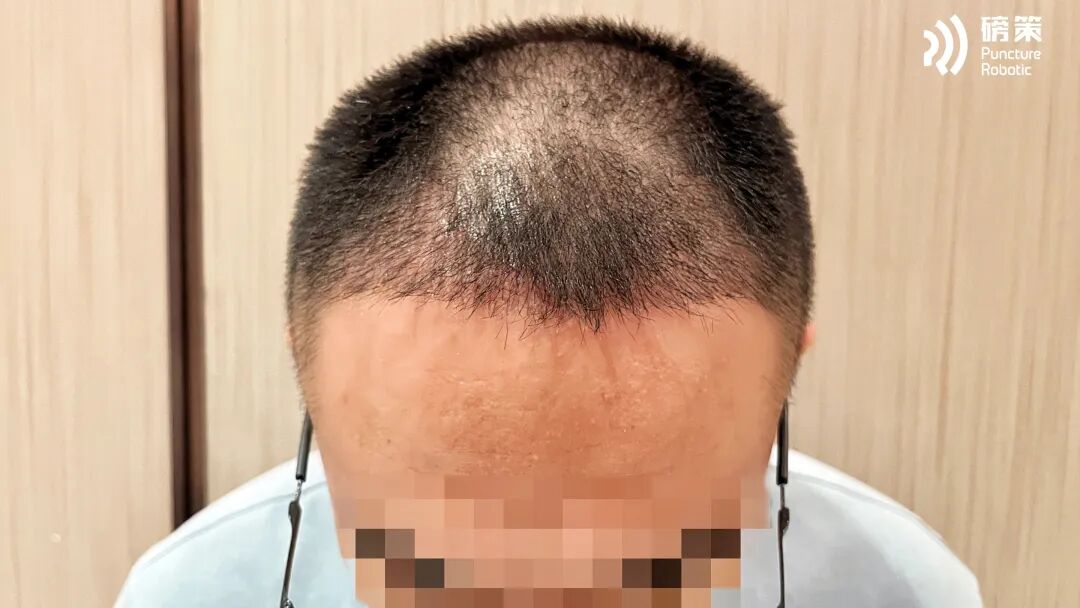
Figure 2 The image above was taken during the patient's short-term follow-up after hair transplantation.
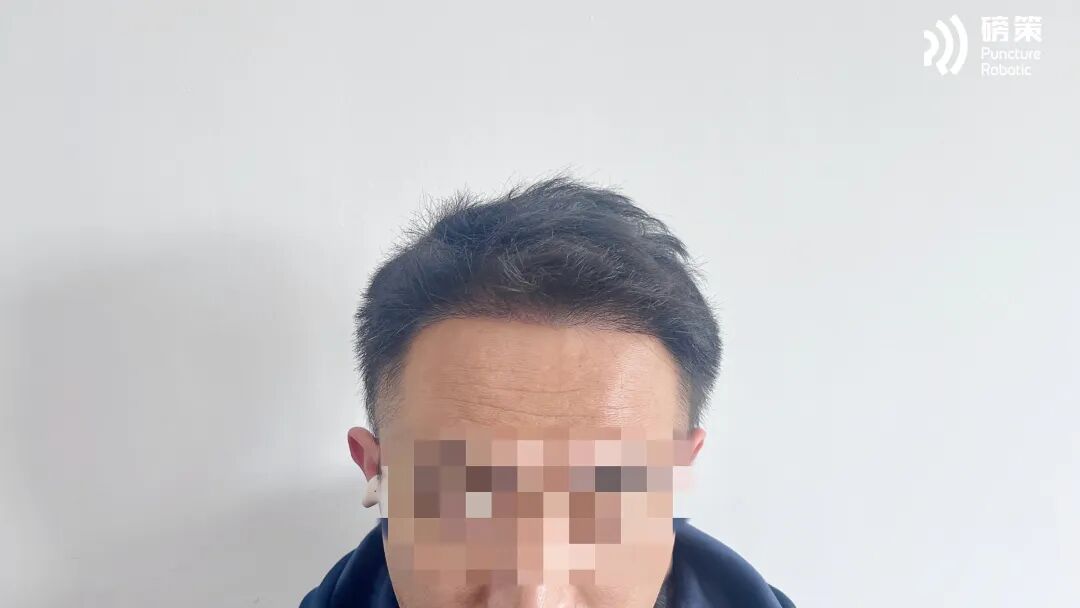
Figure 3 The image above shows the patient's most recent follow-up scan.
Patient Reviews
"Although I knew my scalp condition was unique, I never expected the surgery to go more smoothly than I’d anticipated! Of course, there was some discomfort on the day after the procedure—my scalp felt both swollen and itchy, making me seriously tempted to scratch. But once the bandages were removed, it immediately felt much better," Mr. Tang shared candidly about his experience. "Now, the hairline filler looks completely natural. My hairstylist mentioned you can still spot a slight trace, but thankfully, neither my colleagues nor my clients have noticed at all." He added with a friendly tip: "If you’re considering hair restoration, make sure to follow your post-op care instructions carefully. Don’t let yourself give in to the urge like I did—just hang in there during the initial recovery period, and you’ll be fine!"