02
2025
-
03
The domestically produced first-certified HAIRO hair transplant robot is launched, breaking the profit bottleneck of the hair transplant industry and driving the industry into the AI era.
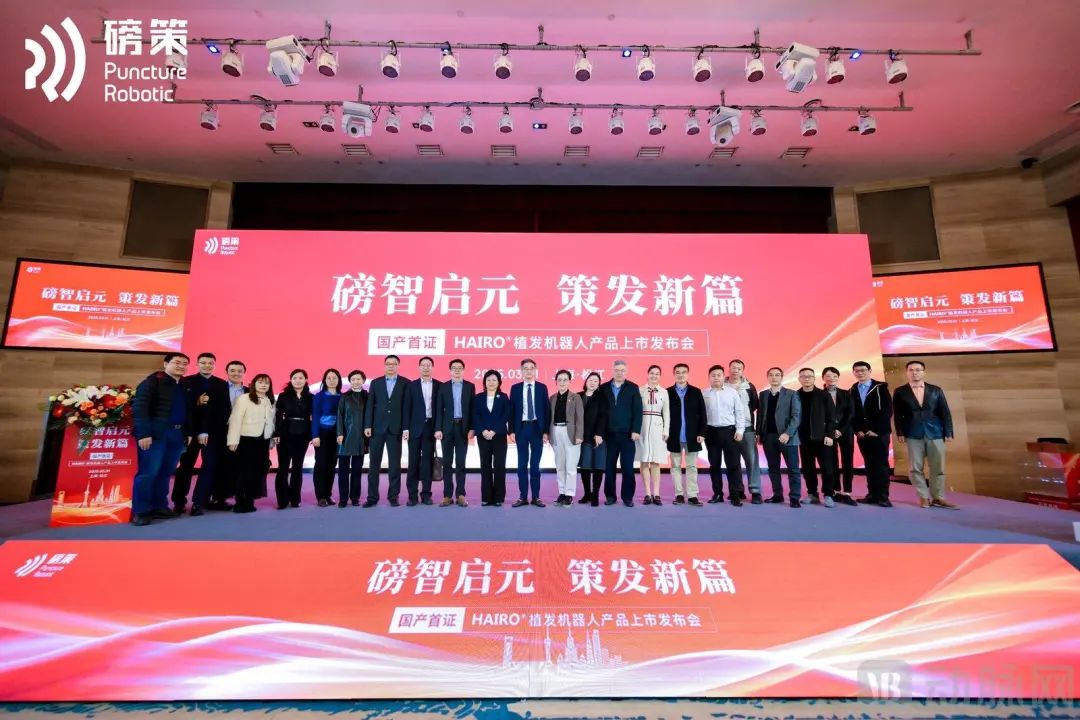
A revolution quietly begins, one that concerns the future of China's hair transplant industry. On March 1, 2025, Puncture Robotic held a product launch conference for the HAIRO® hair transplant robot in Shanghai's G60 Science and Technology Innovation Corridor, themed "Bongzhi Qiyuan, Cefan Xinpian". ® Hair transplant robot launch conference.
A revolution quietly begins, one that concerns the future of China's hair transplant industry. On March 1, 2025, Puncture Robotic held a product launch conference for the HAIRO® hair transplant robot in Shanghai's G60 Science and Technology Innovation Corridor, themed "Bongzhi Qiyuan, Cefan Xinpian". ® Hair transplant robot launch conference.
As the first in Asia and the first in China to be approved for market, the HAIRO ® hair transplant robot, independently developed by Puncture Robotic, uses a core algorithm of Chinese origin. It integrates a hand-eye coordinated intelligent operating system and AI-assisted visual recognition technology, breaking through the precision limitations of traditional manual operations. It constructs a full-process solution of "precise identification-dynamic planning-intelligent control," hoping to solve the current problems in the hair transplant industry such as the scarcity of doctors, insufficient standardization, serious homogeneity, and high marketing costs. It aims to help hair transplant institutions reshape their core competitiveness, achieve a dual upgrade of reputation and brand, and promote the hair health industry to transition from experience-driven to data-driven.
More than a dozen representatives from government, industry, academia, research, medicine, and investment circles attended the event, including Yu Jian, former deputy director of the Department of Strategic Planning of the Ministry of Science and Technology; Wang Yu, deputy director of the Shanghai Shenkang Hospital Development Center; Sun Lijing, foreign academician of the Russian Academy of Engineering and dean of the School of Mechanical and Electrical Engineering, Soochow University; Wu Wenyu, director of the Department of Dermatology, Huashan Hospital Affiliated to Fudan University; Cheng Yunzhang, director of the Lingang New Area Medical Device Innovation Center; Zhang Jufang, director of the Department of Plastic Surgery, the First People's Hospital of Hangzhou affiliated to Xihu University; Yang Dingquan, head of the Sino-Japanese Friendship Hospital Hair Medical Consortium; Li Ming, founder of Zhongzhi Medical Group; Cui Shaofang, executive director and vice CEO of Damai Microneedle Hair Transplant; and Zhang Zhaodong, founder of Puncture Robotic. They jointly witnessed this technological leap in the hair transplant industry.
01
Joint innovation of government, industry, academia, and research, creating Asia's first hair transplant robot
Technological innovation has become a major battlefield for international strategic competition. Although domestic surgical robots have made significant breakthroughs in serious medical fields such as orthopedics and vascular surgery, there is a clear gap in the consumer medical sector, especially in the rapidly growing hair transplant field. Hair transplant institutions urgently need to improve technical precision and surgical efficiency through intelligent means, and reduce operating costs and patient economic burden.
“Puncture Robotic's domestically produced first intelligent hair transplant robot has successfully broken the American monopoly in this field, representing a major breakthrough in the development of surgical robots in China and providing an intelligent solution for a large number of people with hair loss.” Yu Jian, former deputy director of the Department of Strategic Planning of the Ministry of Science and Technology, affirmed Puncture Robotic's achievements and stated that the domestically produced first hair transplant robot embodies the hard work of scientific researchers and demonstrates China's firm determination and strong strength in the path of technological independent innovation.
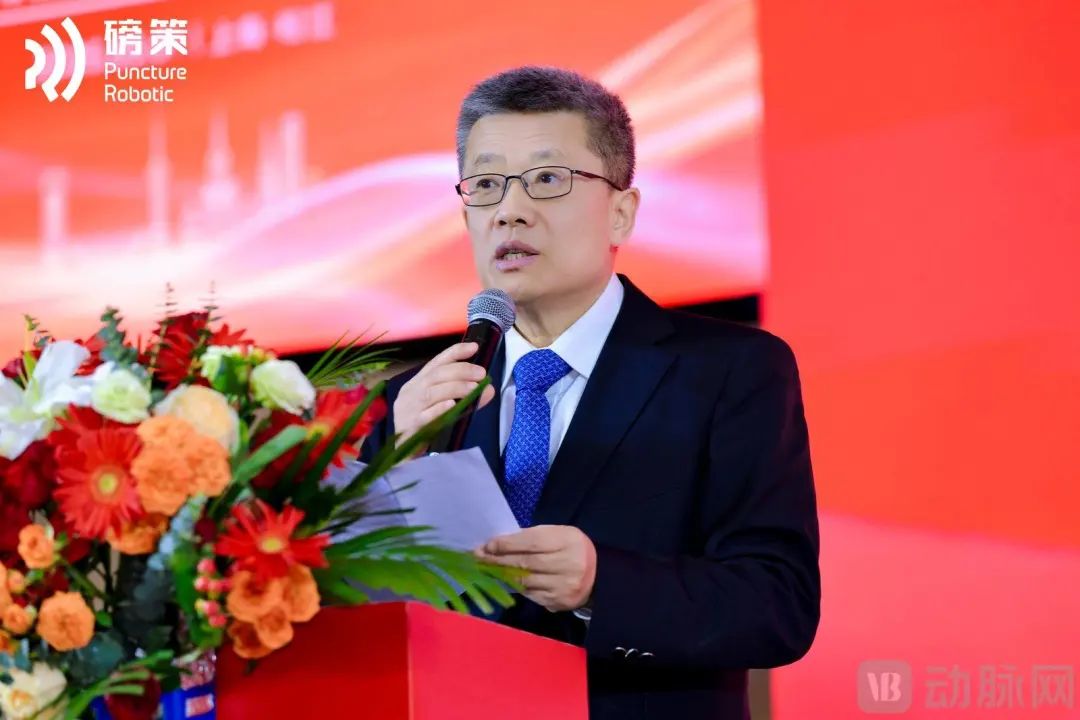
Yu Jian, former deputy director of the Department of Strategic Planning of the Ministry of Science and Technology,
Academician Sun Lijing, dean of the School of Mechanical and Electrical Engineering, Soochow University, and deputy director of the State Key Laboratory of Robotics Technology and System, Harbin Institute of Technology, recalled that the Puncture Robotic hair transplant robot project is based on the technological accumulation of the Harbin Institute of Technology's robot system and jointly created with the team of Professor Wu Wenyu from the Department of Dermatology, Huashan Hospital Affiliated to Fudan University, serving as a model of industry-academia collaboration.
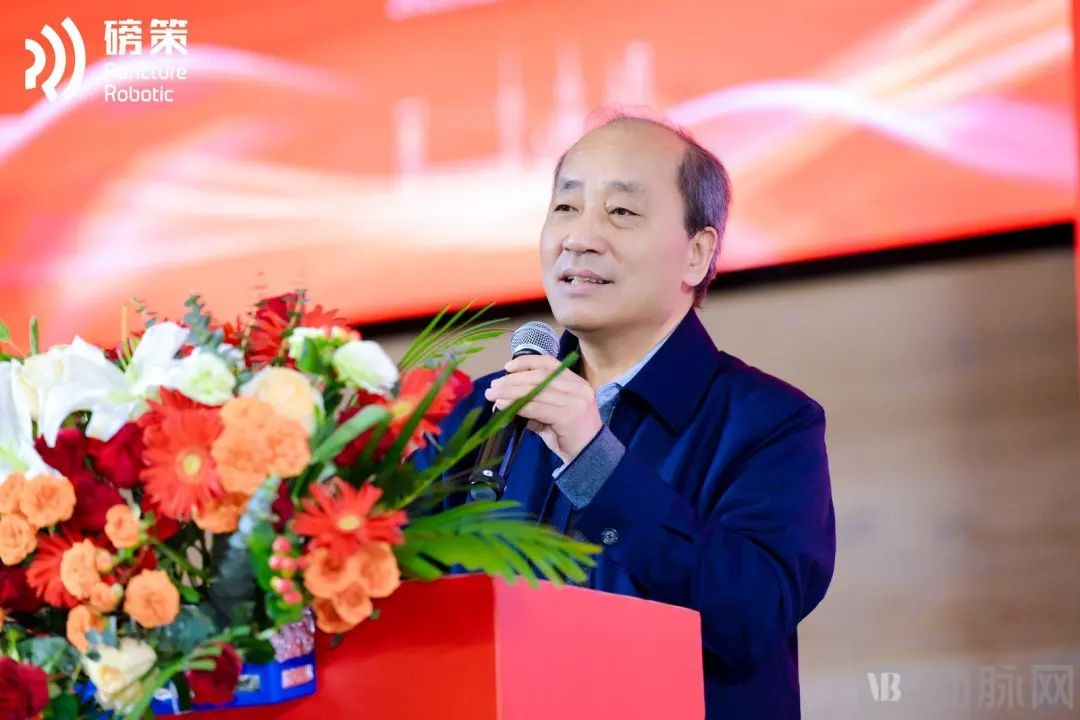
Academician Sun Lijing, dean of the School of Mechanical and Electrical Engineering, Soochow University, and deputy director of the State Key Laboratory of Robotics Technology and System, Harbin Institute of Technology,
Professor Wu Wenyu, director of the Department of Dermatology, Huashan Hospital Affiliated to Fudan University, pointed out that the HAIRO ® hair transplant robot deeply integrates AI, robotics, and innovative concept systems, solving the problems of high manpower and high energy consumption in the hair transplant industry and improving the accuracy and survival rate of hair follicles. It can extract 1800 follicular units per hour, outperforming similar foreign products. The application of this product can help improve doctors' surgical skills and efficiency, shorten the time for doctor training, promote the development of hair transplant business in public hospitals, and accelerate the standardization and homogenization of hair transplant capabilities.
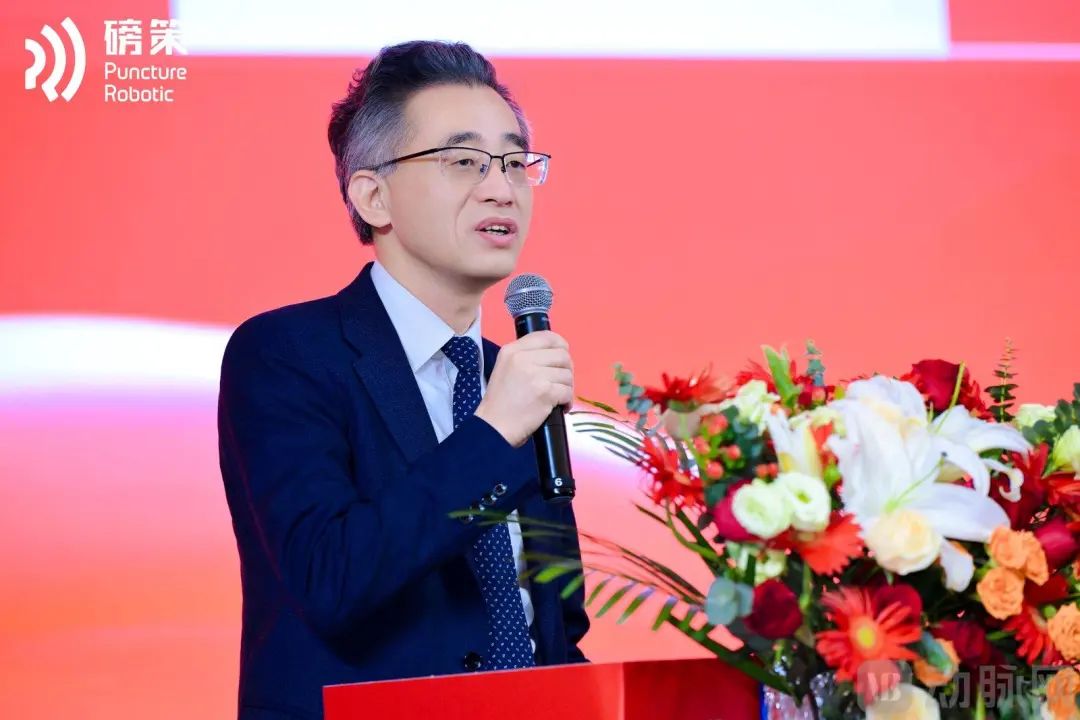
Professor Wu Wenyu, director of the Department of Dermatology, Huashan Hospital Affiliated to Fudan University,
Zhang Zhaodong, founder of Puncture Robotic, provided an in-depth analysis of the "Made in China" technological core of the HAIRO ® hair transplant robot. By integrating binocular vision, depth vision, and infrared light source technology, combined with a head dynamic tracking system and an AI computing platform with three times the import capacity, it achieves six intelligent path planning before puncture and simultaneous hand-brain control. The 6+3 degree-of-freedom robotic arm breaks through the limits of ergonomics and can continuously perform high-precision, high-quality follicle extraction. In terms of operation, it simplifies traditional complex operations through a three-step standardized process and, with "one code per set" sterilized consumables, achieves full-process traceability management.
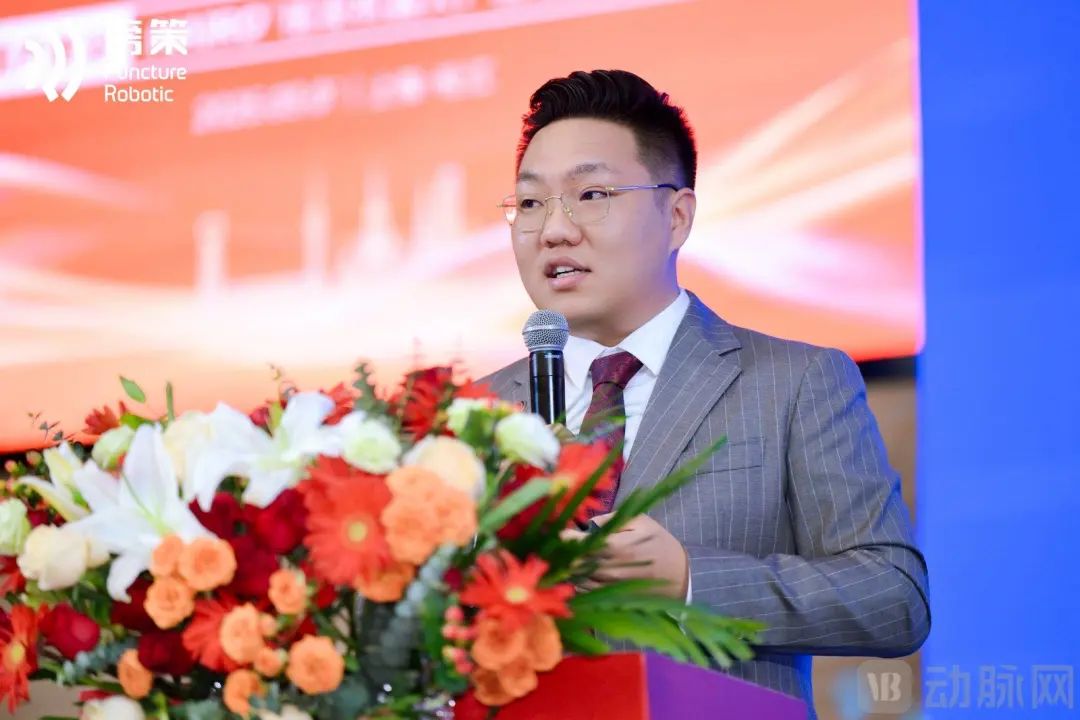
Zhang Zhaodong, founder of Puncture Robotic,
02
Building industry standards and training programs to promote the popularization and application of hair transplant robots
While filling the gap in domestic hair transplant robots, Puncture Robotic has also formulated the industry's first "White Paper on the Construction of a Standardized System for Hair Transplant Robots" and simultaneously launched the "Hair Transplant Doctor Training Program".
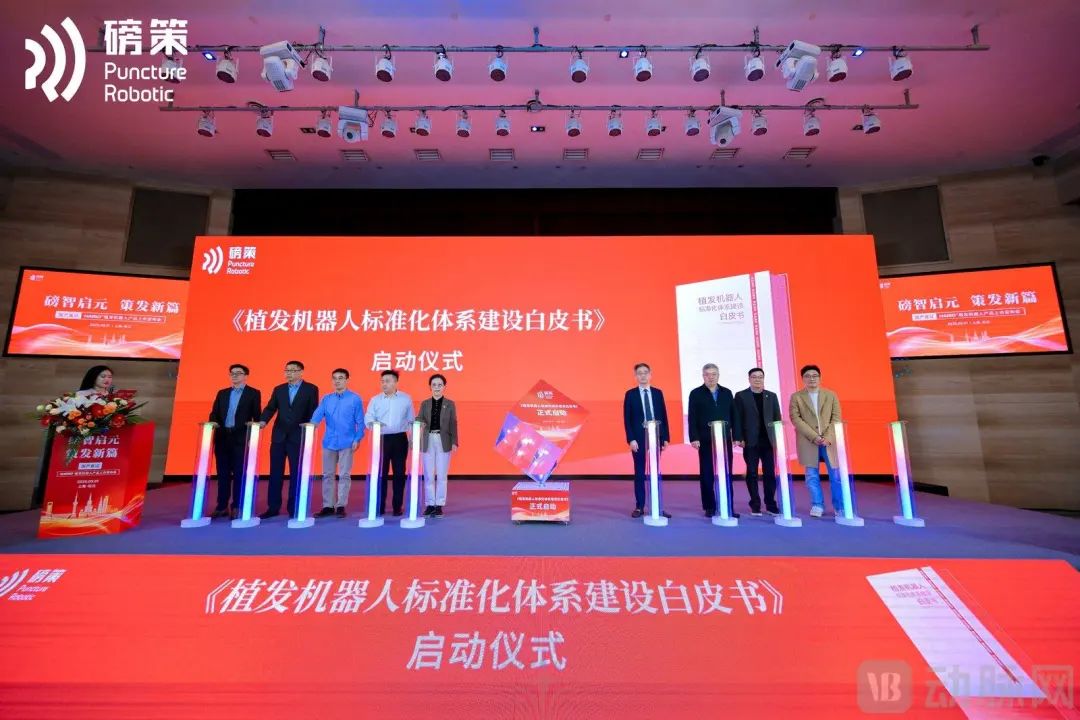
The "White Paper on the Construction of a Standardized System for Hair Transplant Robots" was jointly initiated by Puncture Robotic, Huashan Hospital Affiliated to Fudan University, and other public hospitals, industry associations, and well-known private institutions. This white paper, for the first time, systematically sorts out the full-process standard framework for the clinical application of hair transplant robots based on practical experience. It fills the gap in domestic technical specifications and provides the industry with reusable technical benchmarks and safety standards, promoting hair transplant surgery from relying on doctors' experience to data-driven precision, and helping the industry upgrade comprehensively to intelligent, efficient, and standardized dimensions.
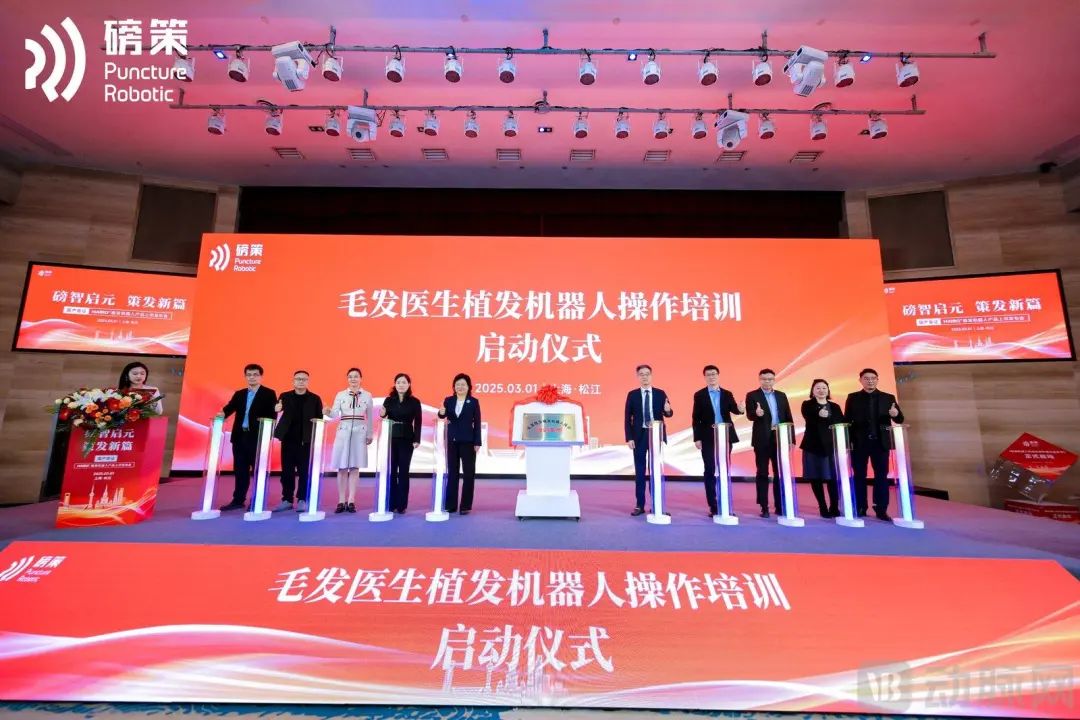
The "Hair Transplant Doctor Training Program" cooperates with Huashan Hospital Affiliated to Fudan University, Peking University Shougang Hospital, Hangzhou Plastic Surgery Hospital, Shanghai 411 Hospital, and other hospitals and well-known industry associations. It adopts a "theoretical instruction + practical training + clinical mentoring" model to accelerate the cultivation of hair transplant talents and the popularization of "AI hair transplant" technology. Through systematic training, it rapidly expands the number of doctors, breaking the traditional limitations of hair transplantation relying on "star doctors" and accelerating the popularization of high-quality hair transplant resources. The doctors trained in this program are both executors of technology and promoters of the brand, and high-standard surgical results are more conducive to word-of-mouth transmission among patients.
For private institutions, the hair transplant robot brings not only tool upgrades but also the reconstruction of business models, enabling private institutions to shift from "scale for profit" to "technology for value." Most hair transplant medical institutions are trapped in a vicious cycle of "low price for traffic, high energy consumption, and low profit." However, the average payback period for using hair transplant robots is only six months. Moreover, intelligent services with "precision and high survival rate" as highlights also bring new support points for brand premium and increased customer unit price.
For public hospitals, the hair transplant robot can help ordinary doctors reach expert level faster, effectively alleviating the shortage of expert resources, and significantly improving service capabilities. With the improvement of surgical quality and the number of patients, the brand competitiveness of public hospitals is enhanced, and the reputation influence is expanded, which can attract more patients and form benign development. Especially in the current situation where hospitals are self-financing, it is expected to become a new revenue growth point for hospitals.
By building industry standards and training programs, Puncture Robotic has completed its transformation from a single breakthrough to an ecological leader, and from an equipment supplier to an industry ecological builder.
03
Chosen by many medical institutions, reconstructing the value of "efficiency-quality-brand"
Technological innovation often brings about industry changes. The birth of the hair transplant robot has not only reconstructed the underlying logic of traditional hair transplant surgery, but also provided a clear path for hair transplant institutions to upgrade to intelligence and standardization. Although HAIRO ® The hair transplant robot has been firmly chosen by some medical institutions, only two months after its approval and listing.
At the press conference, Puncture Robotic reached cooperation with Zhongzhi Medical Group, Meibei Medical Beauty, Damai Microneedle Hair Transplant, and Anhui Meifu Medical. This full-ecological alliance, covering "technology enablers-industry benchmarks-traffic hubs-regional leaders", will reshape the value chain of the hair transplant industry with intelligence.
The scale of China's hair transplant market has exceeded 20 billion yuan, with more than 1 million people served annually, but the market penetration rate is only 0.5%. Private institutions are the main force in the hair transplant market, accounting for about 86%, but they face structural difficulties of "being large but not strong": scarce doctor resources, insufficient standardization, serious homogeneity, and high marketing costs. Li Ming, chairman of Zhongzhi Medical Group, said that HAIRO ® The hair transplant robot is not only a tool for reducing costs and increasing efficiency, but also a lever for brand upgrading. It can not only achieve a double breakthrough in doctor training and hair transplant efficiency, but also the standardization and traceability of data make the hair transplant industry more transparent. In addition, the hair transplant robot can help hair transplant institutions build differentiated core competitiveness, reduce marketing costs and improve institutional profitability.
The strategic cooperation with Zhongzhi Medical Group marks the recognition of Puncture Robotic's technological route by leading institutions in the industry. As a leader in China's hair medical field, Zhongzhi Medical Group chose to cooperate with Puncture Robotic to develop a full-scenario solution for "AI + hair transplantation", and took the lead in purchasing multiple HAIRO ® hair transplant robots , will standardize and replicate expert-level hair transplant technology to various brands under the group, breaking through the core pain points of high labor costs and the inability to replicate doctors' abilities, reshaping the industry's competitive logic with the "efficiency-quality-brand" value triangle, allowing hair transplant institutions to get rid of "price wars" and return to a rational business route. The in-depth strategic cooperation between Zhongzhi Medical Group and Puncture Robotic not only signifies the full endorsement of the innovative technological route by the leading domestic hair transplant companies, but also reveals the comprehensive transformation of the medical service industry towards digitalization and intelligence.
The strategic cooperation with Meibei Medical Beauty has opened up a new path of "traffic co-operation + ecological co-construction". Both sides will speak from various angles such as key opinion leaders, bloggers, doctor IPs, and investment, and conduct comprehensive content layout on multiple platforms such as Xiaohongshu, Weibo, and Douyin. Through precise user portrait analysis, medical beauty consumption decision guidance, and industry popular science content output, we will jointly build a complete chain from demand awakening to technical trust, pushing the hair transplant industry from "information asymmetry consumption decisions" to "technology-driven precision medicine", and ultimately achieving a win-win situation for multiple parties of "user needs stimulation-institutional efficiency improvement-industry value upgrading".
The strong alliance with Damai Microneedle Hair Transplant has created a paradigm for the intelligent transformation of chain hair transplant institutions. Damai Microneedle Hair Transplant will deploy HAIRO ® hair transplant robots to core stores , integrating the "intelligent detection-precise planning-standardized surgery" full-link service system into daily operations, directly addressing the expansion bottleneck caused by the strong dependence of chain hair transplant institutions on doctor resources and the quality control problems caused by the volatility of manual operations, achieving "consistent service across thousands of stores". At the same time, it has also verified for the industry a replicable path for technology sinking without degradation and scale expansion without loss of control—when robots undertake standardized operation links, doctors can focus on complex case design and postoperative aesthetic optimization, promoting the upgrading of institutions from "labor-intensive services" to "technology-added value medical care".
The cooperation with Anhui Meifu Medical focuses on regional market cultivation and technology sinking. Combining local medical resource advantages to create a dual-track model of "high-end technology + affordable services". Relying on the AI algorithm of the hair transplant robot to make up for the shortcomings of grassroots institutions' diagnosis and treatment capabilities, eliminating the service radius restrictions and geographical restrictions on doctor resources caused by technical thresholds, allowing regional institutions to also provide high-end hair transplant services comparable to those in first-tier cities, and helping institutions consolidate their core competitiveness.
The era of "empiricism" is over. At this moment, the hair transplant industry has reached a new historical node of deep integration of "precision medicine" and "universal medical care". The popularization of hair transplant robots will correct industry irregularities, improve the overall level of the industry, and rebuild patient confidence and industry trust.
From a single technological breakthrough to an overall ecological closed loop, from doctor training to commercial landing, the "Bangzhi" light is illuminating the path of medical innovation, and the "Cefah" power is reshaping the future of hair health. When the bottleneck of expert resources in public hospitals is resolved by hair transplant robots, and when the profit dilemma of private institutions is broken through by intelligent solutions, a new era of hair transplantation led by domestic high-end equipment and co-created by ecological partners has begun. The "top priority" problem of 250 million people with hair loss has also ushered in a breakthrough.